
Creating an organized and efficient home workspace is essential for productivity and comfort, especially as more people work remotely or pursue creative projects from home. A well-designed workspace helps reduce distractions, keeps everything you need within reach, and supports good posture and focus. In this post, we’ll explore practical tips and strategies to help you set up a home workspace that works for you.
Why an Organized Workspace Matters
An organized workspace isn’t just about tidiness—it affects how efficiently you can work and how you feel throughout the day. Clutter and disorganization can cause stress and slow you down, while a neat, functional setup fosters concentration and creativity. Designing a workspace tailored to your habits and needs creates an environment where you can thrive.
Choosing the Right Location
Find a dedicated spot
Ideally, choose a location away from high-traffic areas or noisy parts of your home. This reduces interruptions and helps establish clear boundaries between work and leisure.
Consider natural light
Natural lighting boosts mood and reduces eye strain. Position your desk near a window if possible, but avoid harsh glare on your screen. Use curtains or blinds to adjust light levels as needed.
Evaluate space and privacy
Assess how much room you need to work comfortably and store your materials. If privacy is important, consider a separate room or use partitions to create a barrier.
Setting Up Your Desk and Chair
Invest in ergonomic furniture
A comfortable, adjustable chair supports your back and encourages good posture. Pair this with a desk at the proper height to avoid strain on your wrists and shoulders.
Keep essentials within reach
Arrange your most-used items—like pens, notebooks, and your computer—in easy-to-reach spots. This saves time and keeps your workflow smooth.
Use cable management solutions
Keep cords organized with clips, ties, or under-desk trays to reduce clutter and prevent tangling.
Organizing Supplies and Materials
Use storage containers and organizers
Boxes, trays, and drawer dividers help separate items and minimize mess. Labeling containers makes it easier to find things quickly.
Implement filing systems
If you work with papers, create clear filing folders or binders sorted by category or deadline. This prevents piles from accumulating on your desk.
Limit what you keep on your desk
Only keep daily-use items on the desktop. Store less frequently used supplies elsewhere to maintain a clean and inviting workspace.
Technology and Equipment Setup
Optimize your computer placement
Position your monitor at eye level to reduce neck strain. If possible, use an external keyboard and mouse for better ergonomics.
Use multiple screens if needed
Having two screens can boost productivity for tasks like research and writing or design work.
Maintain a tidy digital workspace
Organize your computer files and desktop icons regularly to stay efficient and avoid frustration.
Creating a Comfortable and Inspiring Environment
Add personal touches
Incorporate elements that make you happy, such as plants, artwork, or photos. These small touches can boost your mood and motivation.
Control noise levels
Use noise-canceling headphones or white noise machines if your environment is noisy. Alternatively, play soft background music if it helps you focus.
Manage temperature and ventilation
Keep your workspace at a comfortable temperature and ensure you have good airflow to stay alert and comfortable.
Establishing Good Habits
Set daily routines
Start your day by organizing your workspace and writing a to-do list. A consistent routine helps you settle into work mode quickly.
Take regular breaks
Step away from your desk every hour or so to stretch and rest your eyes. This improves circulation and reduces fatigue.
End each day by tidying up
Spend a few minutes before finishing work to clear your desk and prepare for the next day. This helps maintain your organization long-term.
Conclusion
Creating an organized and efficient home workspace is a rewarding process that can improve your productivity, comfort, and overall work experience. By choosing the right location, setting up ergonomically, organizing supplies thoughtfully, and establishing positive routines, you’ll build a space that supports your goals and wellbeing. Take time to adjust your setup as your needs change, and enjoy the benefits of a workspace that truly works for you.
Related Posts
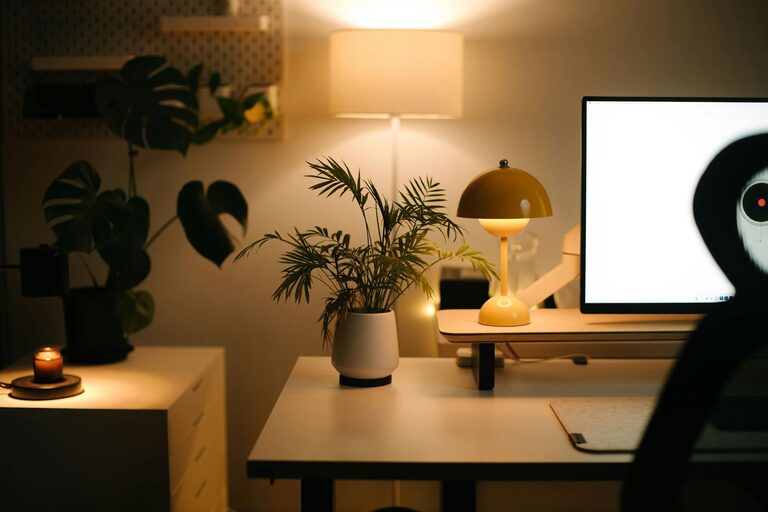
Tips for Creating a Cozy and Organized Home Workspace
Creating a cozy and organized home workspace is essential for…
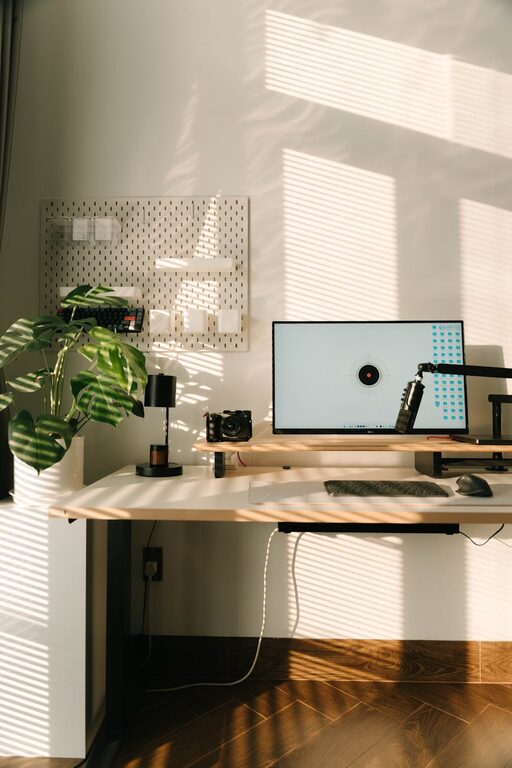
Tips for Creating a Relaxing Home Workspace to Boost Productivity
Creating a home workspace that feels calming and welcoming can…
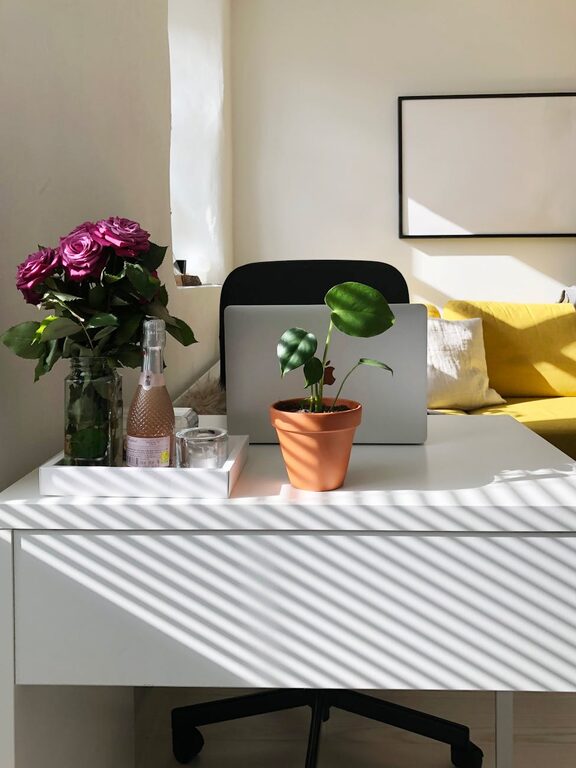
Tips for Creating a Cozy and Functional Home Office Space
Creating a cozy and functional home office space is essential…