
Creating a relaxing home office environment is essential for maintaining productivity, focus, and overall well-being while working from home. With many people spending extended hours at their desks, having a space that feels comfortable and calm can make all the difference. In this post, we’ll explore practical tips for setting up a home office that supports both relaxation and efficiency.
Why a Relaxing Home Office Matters
A cluttered or stressful workspace can lead to distractions, decreased motivation, and burnout. Conversely, a well-designed office promotes a positive mindset and encourages productive work habits. When your home office feels inviting and soothing, it becomes easier to concentrate, manage tasks, and maintain a healthy work-life balance.
Optimize Your Office Layout
Choose the Right Location
Selecting a quiet corner or room with minimal interruptions is key. If possible, pick a spot with natural light and ventilation. Natural daylight helps regulate your body clock and reduces eye strain.
Position Your Desk Wisely
Place your desk to face a window or a calming view if you can. Avoid positioning it too close to noisy areas like the kitchen or living room. Make sure the chair and desk height support good posture.
Keep It Organized
Clutter can overwhelm your mind and slow you down. Invest in storage solutions such as shelves, drawers, or bins to keep essential items within reach but out of sight. A tidy workspace promotes clearer thinking.
Enhance Comfort and Ergonomics
Invest in a Good Chair
Your chair should support your back and encourage an upright posture. Look for adjustable chairs with lumbar support to prevent discomfort during long hours.
Use a Proper Desk Setup
Keep your computer monitor at eye level to reduce neck strain. Use a keyboard and mouse positioned comfortably to avoid wrist pain. Consider accessories like a wrist rest or footrest.
Incorporate Soft Textures
Adding a comfortable rug, cushions, or a soft throw blanket can make your space feel cozy and relaxing.
Bring Nature Inside
Add Indoor Plants
Plants are known to reduce stress and improve air quality. Choose low-maintenance options like succulents, snake plants, or pothos. Place them on your desk or shelves for a touch of greenery.
Use Natural Elements in Decor
Wooden furniture, stone accents, or nature-inspired artwork can create a calming atmosphere that connects your space with the outdoors.
Control Lighting and Sound
Use Layered Lighting
Combine natural light with adjustable artificial lighting. Overhead lights paired with desk lamps give you control over brightness levels and reduce eye fatigue.
Minimize Noise
Use noise-cancelling headphones or white noise machines if you can’t control ambient sounds. Soft background music or nature sounds may also help some people focus better.
Personalize Your Space
Add Inspiring Decor
Include items that bring you joy or motivation, such as photos, quotes, or artwork. Personal touches make your office feel welcoming and unique.
Limit Digital Clutter
Organize your computer desktop and apps regularly. Use productivity tools or apps that help you stay focused without overwhelming notifications.
Maintain a Relaxing Routine
Take Breaks Regularly
Step away from your desk every hour to stretch, hydrate, or take a short walk. Breaks help reduce fatigue and improve mental clarity.
Practice Mindfulness
Consider starting your workday with a brief meditation, deep breathing exercises, or gentle stretches. These can set a calm tone and improve focus.
Set Clear Boundaries
Define your work hours and stick to them. Let family or roommates know your schedule to minimize interruptions.
Final Thoughts
Designing a relaxing home office is about more than just aesthetics—it’s about creating an environment that supports your mental and physical health. By optimizing your layout, incorporating natural elements, controlling light and sound, and personalizing your space, you’ll build a productive and calming workspace that helps you thrive. Remember, small adjustments can lead to big improvements in how you feel and work each day.
Related Posts
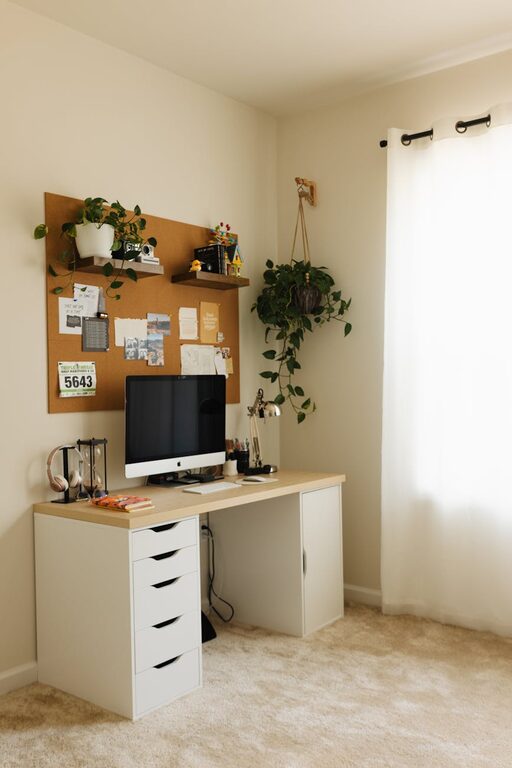
Tips for Creating a Productive Home Office Environment
Creating a productive home office environment can make a significant…
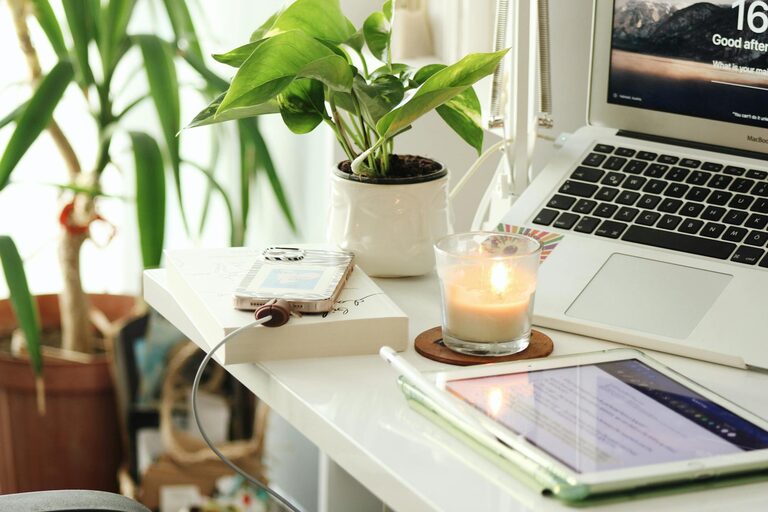
Tips for Creating a Relaxing Home Workspace to Boost Productivity and Comfort
Creating a relaxing home workspace is essential for maintaining comfort…
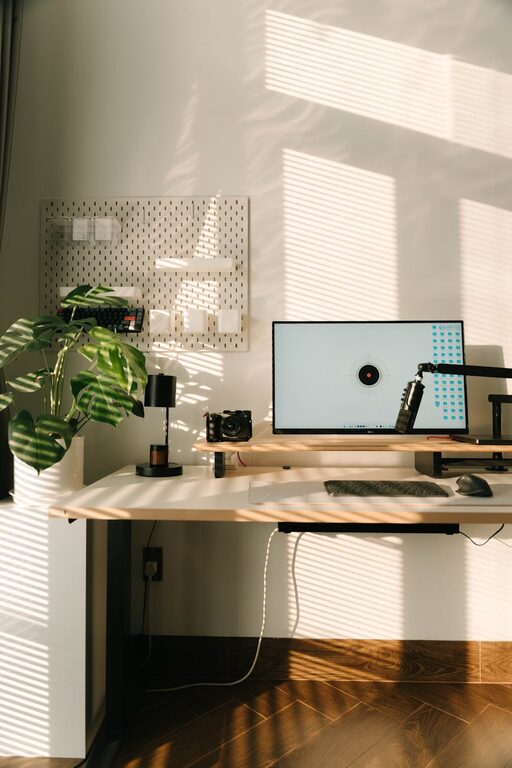
Tips for Creating a Relaxing Home Workspace to Boost Productivity
Creating a home workspace that feels calming and welcoming can…